

Date: Feb. 2, 2026
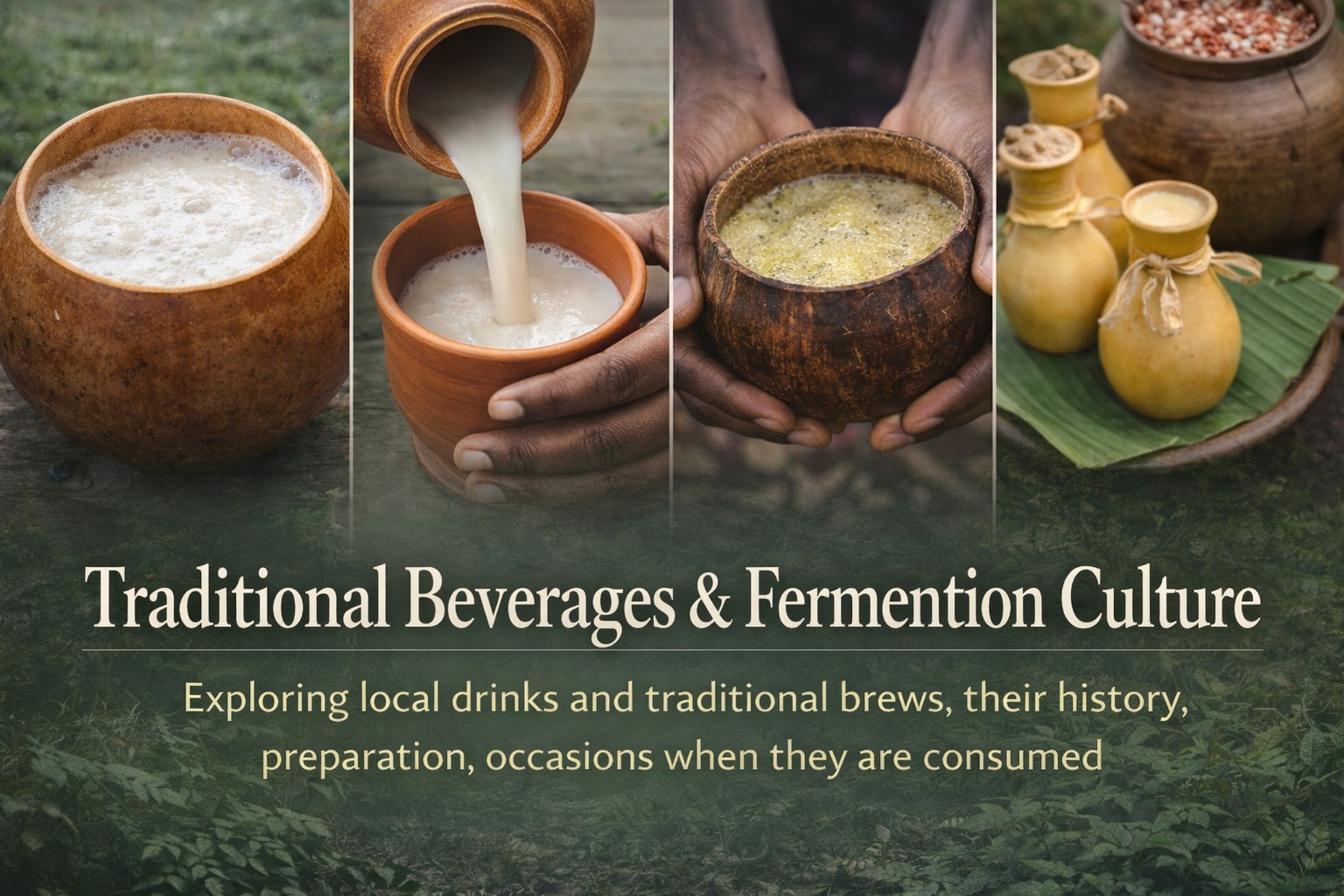
Rwanda is not just about hills, lakes, and wildlife; it also has a rich tradition of beverages and fermentation that reflects local culture, history, and community life. From fermented milk to banana beer, traditional drinks are more than just refreshments—they are social, cultural, and ceremonial staples. This blog explores Rwandan traditional beverages, fermentation techniques, and the role of drinks in daily life and special occasions, giving visitors an authentic taste of Rwandan heritage. Why Traditional Beverages Are Important Traditional drinks hold cultural, nutritional, and social value in Rwanda: 1. Cultural Significance – Drinks like banana beer (Urwagwa) and fermented milk (Ikivuguto) are central to ceremonies, weddings, and festivals. 2. Nutrition – Fermented beverages provide vitamins, probiotics, and energy, important in rural diets. 3. Social Bonding – Sharing drinks fosters community connection, hospitality, and storytelling. 4. Economic Opportunities – Small-scale production supports local farmers, women’s cooperatives, and entrepreneurs. Traditional beverages are thus deeply intertwined with Rwandan identity and daily life. Popular Traditional Beverages 1. Urwagwa (Banana Beer) • Made from fermented bananas and sorghum, Urwagwa is common in rural Rwanda. • Traditionally served during weddings, community gatherings, and rituals. • Each region has its own recipe and fermentation style, giving it a distinct taste. 2. Ikivuguto (Fermented Milk) • Fresh milk is fermented naturally, creating a tangy, probiotic-rich drink. • Consumed daily in many households, often with meals or as a snack. • Provides nutrition, especially in cattle-rearing regions. 3. Tonto (Sorghum Beer) • Tonto is a fermented sorghum or millet beer, popular in Western Rwanda. • Used in social ceremonies and cultural rituals. • It has mild alcohol content and is appreciated for its rich, earthy flavor. 4. Ikigage (Traditional Brew from Sweet Potatoes or Maize) • A lesser-known traditional drink, Ikigage is made from fermented sweet potatoes or maize. • Consumed in small communities for festivals or everyday refreshment. • Fermentation creates a unique flavor and mild alcohol content. 5. Fruit Juices and Infusions • Locally grown fruits like passion fruit, pineapple, avocado, and guava are turned into fresh juices or infused drinks. • Often mixed with fermented bases to create refreshing and nutritious beverages. Fermentation Techniques in Rwanda Fermentation is central to many traditional Rwandan drinks, and techniques vary by region: 1. Natural Fermentation – Using wild yeasts from the environment, often in clay pots or gourds. 2. Temperature Control – Drinks are left to ferment at room temperature, allowing flavors to develop. 3. Blending Ingredients – Bananas, sorghum, millet, maize, and sweet potatoes are combined for taste and nutritional balance. 4. Traditional Tools – Clay pots, wooden stirring sticks, and calabashes are commonly used for preparation and storage. These methods ensure authentic taste and maintain cultural heritage. Role of Traditional Beverages in Social Life 1. Ceremonial Use – Drinks are essential in weddings, naming ceremonies, and ancestral rituals. 2. Community Bonding – Sharing a drink strengthens relationships, hospitality, and mutual respect. 3. Celebration and Storytelling – Festivals often involve drinks, music, dance, and storytelling, keeping oral traditions alive. 4. Economic Role – Women and youth often produce and sell traditional beverages, supporting family incomes and local economies. Regional Variations • Northern Rwanda: Milk-based drinks dominate due to cattle farming, including Ikivuguto. • Eastern Rwanda: Banana beer is popular, reflecting fertile banana-growing regions. • Southern Rwanda: Sorghum beer and sweet potato drinks are common. • Western Rwanda: Lakeside communities integrate fermented fish sauces with drinks for meals. These variations reflect local agriculture, traditions, and climate. How Tourists Can Experience Traditional Beverages 1. Village Visits – Try fresh Ikivuguto or Urwagwa at homestays or community gatherings. 2. Cultural Festivals – Festivals often feature traditional drinks with food, music, and dance. 3. Brewing Workshops – Some villages teach visitors how to ferment banana beer or sorghum drinks. 4. Supporting Local Producers – Buy drinks from women’s cooperatives or small-scale brewers to support sustainable livelihoods. 5. Pairing with Food – Experience beverages alongside traditional dishes like Isombe, Ugali, or grilled fish. These experiences offer authentic taste and cultural immersion. Health Benefits of Fermented Beverages • Probiotics: Aid digestion and gut health. • Vitamins & Minerals: Provide essential nutrients, especially in rural diets. • Energy: Fermented drinks are high in natural sugars and calories, useful for farming communities. • Immunity: Fermentation enhances nutritional value and promotes healthy gut flora. A Toast to Rwandan Heritage Traditional Rwandan beverages reflect culture, history, and community spirit. From fermented milk to banana beer, each drink tells a story of generations, rural life, and social connection. Experiencing these beverages offers visitors a true taste of Rwanda, while supporting local producers and preserving cultural heritage. By sipping these traditional drinks, tourists not only enjoy authentic flavors but also become part of a living cultural tradition, connecting with Rwandan communities and their rich, flavorful past.