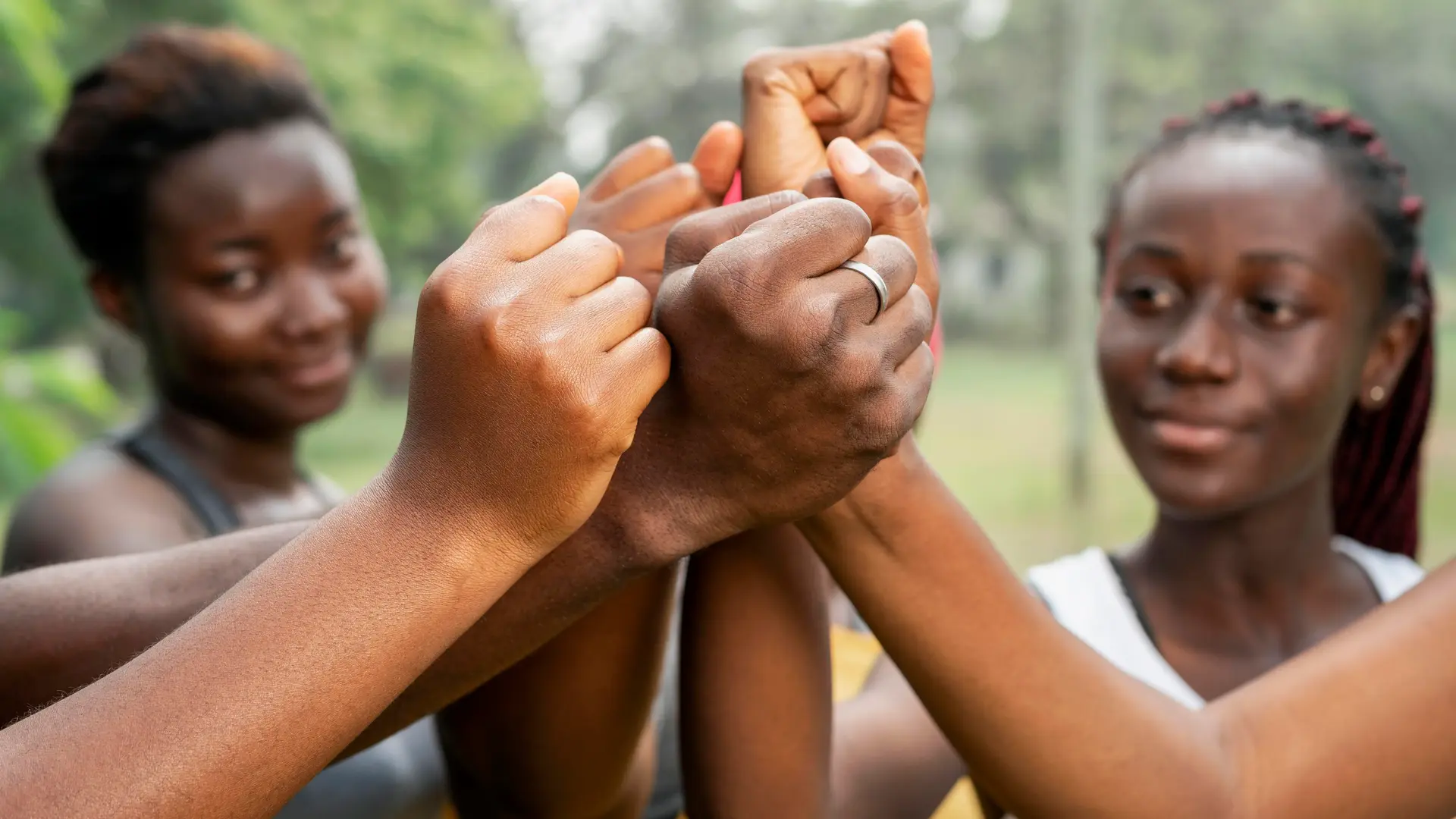
Rwanda’s Evolving Culture: Social Change, Community Values, and Modern Life

Admin
Date: Dec. 8, 2025
Rwanda is a nation that has undergone profound transformation over the past few decades. From the tragedy of the 1994 genocide to becoming one of Africa’s most stable and progressive countries, Rwanda’s journey is marked by resilience, unity, and social rebuilding.
At the heart of this transformation are community values, traditional communal practices, and social services, which continue to shape modern Rwandan life. While modernization and global influences are changing everyday practices, Rwanda has successfully balanced tradition with modernity, creating a unique cultural landscape.
This article explores how social change, communal values, and cultural evolution are reflected in Rwanda today, offering insight for visitors, investors, and those curious about the country’s rich cultural tapestry.
1. The Importance of Community in Rwandan Culture
a) Umuganda – Community Work
- Monthly community work where citizens come together to clean streets, repair schools, or plant trees
- Promotes solidarity, cooperation, and social responsibility
- Reinforces a sense of belonging and civic pride
b) Traditional Communal Practices
- Villages often operate under mutual aid systems, sharing labor, food, and resources
- Cultural ceremonies like weddings, funerals, and harvest celebrations involve entire communities
- Elders play a key role in passing down wisdom, values, and social norms
These practices highlight how collective well-being is prioritized over individual gain, a principle that continues to influence modern Rwanda.
2. Modernization and Social Change
a) Education and Youth Engagement
- Expansion of schools, universities, and vocational training
- Youth participate in innovative projects, entrepreneurship, and community development
- Modern education promotes gender equality and leadership while respecting cultural heritage
b) Technology and Connectivity
- Mobile phones, internet, and social media are widely used
- Social media enables cultural storytelling, civic engagement, and business promotion
- Digital platforms help share Rwandan music, crafts, and traditional practices globally
c) Urbanization and Lifestyle Changes
- Growing cities like Kigali introduce modern housing, shopping, and entertainment
- Traditional communal life adapts through neighborhood associations and local initiatives
- Despite modernization, Rwandans strive to preserve communal bonds and values
3. Gender Roles and Social Transformation
- Rwanda has one of the highest percentages of women in parliament worldwide
- Women lead in business, cooperatives, and social programs
- Social programs encourage equal participation in community work and decision-making
Modernization has expanded opportunities for women while respecting traditional roles in family and community life.
4. Traditional Communal Practices Still Alive Today
a) Gacaca Courts and Community Justice
- A post-genocide community justice system resolving disputes
- Encouraged reconciliation, accountability, and social cohesion
b) Local Festivals and Ceremonies
- Imbyino (traditional dance), Umuganura (harvest festival), and wedding ceremonies
- Events involve music, dance, storytelling, and shared meals
c) Farming and Shared Work
- Collective farming during planting and harvesting
- Reinforces trust, cooperation, and community support
These practices show that modern life integrates tradition in meaningful ways.
5. Social Services and Community Development
- Community health workers support rural villages with preventive care
- Schools integrate cultural lessons with modern curriculum
- Social programs provide housing, water access, and vocational training
Social services enhance quality of life without eroding traditional values.
6. Reconciliation and National Unity
- Community-based programs encourage dialogue and mutual support
- Youth initiatives promote social responsibility and unity
- Emphasis on peace, forgiveness, and collective progress
This ensures Rwanda’s modern identity stays rooted in tradition.
7. The Role of Music, Dance, and Storytelling
- Music and dance celebrate events and convey oral history
- Storytelling teaches moral lessons and local wisdom
- Contemporary artists blend traditional rhythms with modern genres
These art forms show cultural evolution while honoring heritage.
8. Balancing Modern Work with Community Values
- Urban workers still participate in Umuganda
- Businesses support schools, healthcare, and rural crafts
- Modern lifestyles blend with communal responsibilities
This balance ensures development supports community values.
9. Social Innovation and Community Projects
- Tech platforms support cooperatives and local trading
- Mobile apps connect farmers to markets and services
- Youth-led projects address sanitation, literacy, and conservation
These innovations strengthen tradition while improving daily life.
10. Rural vs. Urban Cultural Adaptation
Rural Areas
- Maintain traditional practices, communal farming, and celebrations
- Emphasis on mutual support, storytelling, and crafts
Urban Areas
- Modern workplaces, schools, and infrastructure
- Communal traditions adapted into neighborhood associations
- Festivals and dance incorporated into city life
This adaptation shows the blending of tradition and modern living.
11. Lessons for Visitors
- Participate in community work like Umuganda
- Attend traditional dances, festivals, and storytelling sessions
- Visit local villages and rural schools
- Support women’s cooperatives and artisans
Engaging respectfully allows visitors to experience Rwanda’s cultural evolution firsthand.
12. Challenges in Preserving Community Values
- Urbanization and globalization may weaken traditional practices
- Younger generations may prefer modern lifestyles
- Maintaining identity while fostering innovation requires planning
Solutions include education, cultural programs, and community-led initiatives.
13. The Future of Rwandan Culture
- Youth-led projects keep traditions alive
- Education and technology enhance skills without replacing heritage
- Community programs maintain social cohesion
Rwanda’s culture is a blend of history, resilience, and community spirit. Social change and modernization bring new opportunities, but traditional values remain central to daily life.
From Umuganda and communal farming to traditional music, dance, and storytelling, Rwandans maintain strong collective responsibility and cultural pride. Modern life enhances rather than replaces tradition, creating a society where community, innovation, and heritage coexist harmoniously.
Visitors to Rwanda can witness how social services, communal practices, and modern innovation shape a nation, offering lessons in unity, resilience, and cultural continuity.