

Date: Jan. 19, 2026
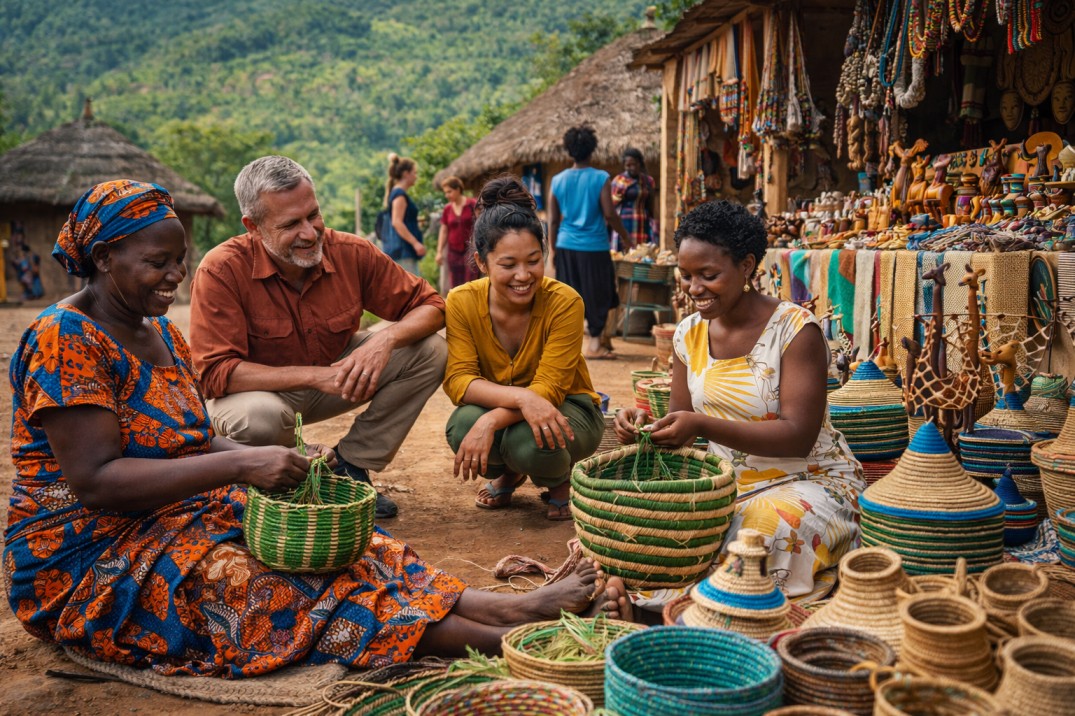
Craft tourism is important for several reasons: 1. Cultural Preservation – Traditional crafts keep heritage alive, showcasing skills passed down generations. 2. Economic Benefits – Supporting artisans generates income for families and communities, often empowering women and youth. 3. Authentic Experiences – Visitors gain hands-on exposure to traditional techniques, stories, and cultural meanings. 4. Sustainable Travel – Buying directly from artisans reduces exploitation and supports local economies. 5. Educational Opportunities – Tourists learn about materials, processes, and the cultural context of each craft. Craft tourism offers a meaningful alternative to mass-market souvenirs, connecting travelers with communities. Popular Crafts to Explore in Rwanda 1. Basket Weaving (Agaseke) • Baskets are handwoven from natural fibers, often with intricate geometric patterns. • Used traditionally for storage, gift-giving, and ceremonial purposes. • Many artisan villages sell baskets in markets and workshops, often taught through interactive demonstrations. 2. Pottery • Clay pots and decorative items are handmade using traditional techniques. • Functional and artistic, pottery is used for cooking, storage, and rituals. • Tourists can participate in shaping and painting during village workshops. 3. Woodwork and Carvings • Artisans craft masks, statues, utensils, and furniture from local hardwoods. • Many designs carry symbolic or historical meanings, reflecting Rwandan folklore. • Workshops often allow visitors to see the carving process and meet the craftsmen. 4. Textiles and Weaving • Traditional textiles include handwoven fabrics and scarves, often dyed naturally. • Patterns and colors represent cultural identity, status, or regional origin. • Visitors can observe weaving looms and learn about dyeing techniques. 5. Jewelry and Accessories • Beads, bracelets, necklaces, and earrings are made using glass, clay, or recycled materials. • Many pieces are colorful, symbolic, and handcrafted, reflecting local aesthetics. Where to Experience Craft Tourism 1. Artisan Villages • Villages like Ntarama, Kibungo, and Musanze have artisan communities that welcome visitors. • Visitors can participate in workshops, learn techniques, and purchase handmade items. 2. Handicraft Markets • Kigali’s Caplaki Craft Village is a hub for authentic Rwandan crafts. • Markets showcase baskets, pottery, woodwork, textiles, and jewelry all in one location. 3. Cultural Centers and Museums • Cultural centers like Kandt House Museum and Nyamata Heritage Site display crafts alongside historical context. • Interactive workshops often allow tourists to try their hand at traditional arts. 4. Community-Based Projects • Some NGOs and cooperatives run craft-focused community projects, where proceeds support local development. • These projects often focus on women’s empowerment and sustainable livelihoods. How Tourists Can Participate Responsibly 1. Buy Authentic Crafts – Avoid mass-produced souvenirs; support local artisans directly. 2. Respect Traditions – Understand cultural meanings behind designs and patterns. 3. Engage in Workshops – Hands-on participation enhances understanding and appreciation. 4. Share Experiences Ethically – Photography and social media posts should honor artisan consent and intellectual property. 5. Support Community Initiatives – Consider donating or promoting artisan cooperatives to ensure long-term impact. Benefits of Craft Tourism for Rwanda • Empowering Local Artisans – Generates steady income, particularly for women and youth. • Cultural Preservation – Encourages younger generations to learn and maintain traditional skills. • Tourism Diversification – Offers unique experiences beyond wildlife or city tours. • Sustainable Development – Promotes eco-friendly materials and local production. • Cross-Cultural Exchange – Tourists and artisans share knowledge, ideas, and appreciation for Rwandan culture. Tips for Tourists • Plan Visits – Arrange visits to artisan villages or workshops ahead of time. • Ask Questions – Learn about techniques, symbolism, and history behind each craft. • Participate Mindfully – Engage without disrupting the workflow or cultural process. • Buy Locally – Purchase directly from artisans, not intermediaries. • Learn the Stories – Every piece often has a story, myth, or meaning attached, enriching the experience. Craft Tourism Connects People and Culture Craft tourism in Rwanda is more than just buying souvenirs—it’s a journey into the heart of communities. Through basket weaving, pottery, textiles, woodwork, and jewelry, visitors gain insight into Rwanda’s history, culture, and creativity. By supporting artisan villages and participating responsibly, tourists help preserve traditional skills, empower local communities, and experience authentic Rwandan culture. Rwandan crafts are living heritage, and through craft tourism, travelers become part of a shared story of creativity, culture, and connection.