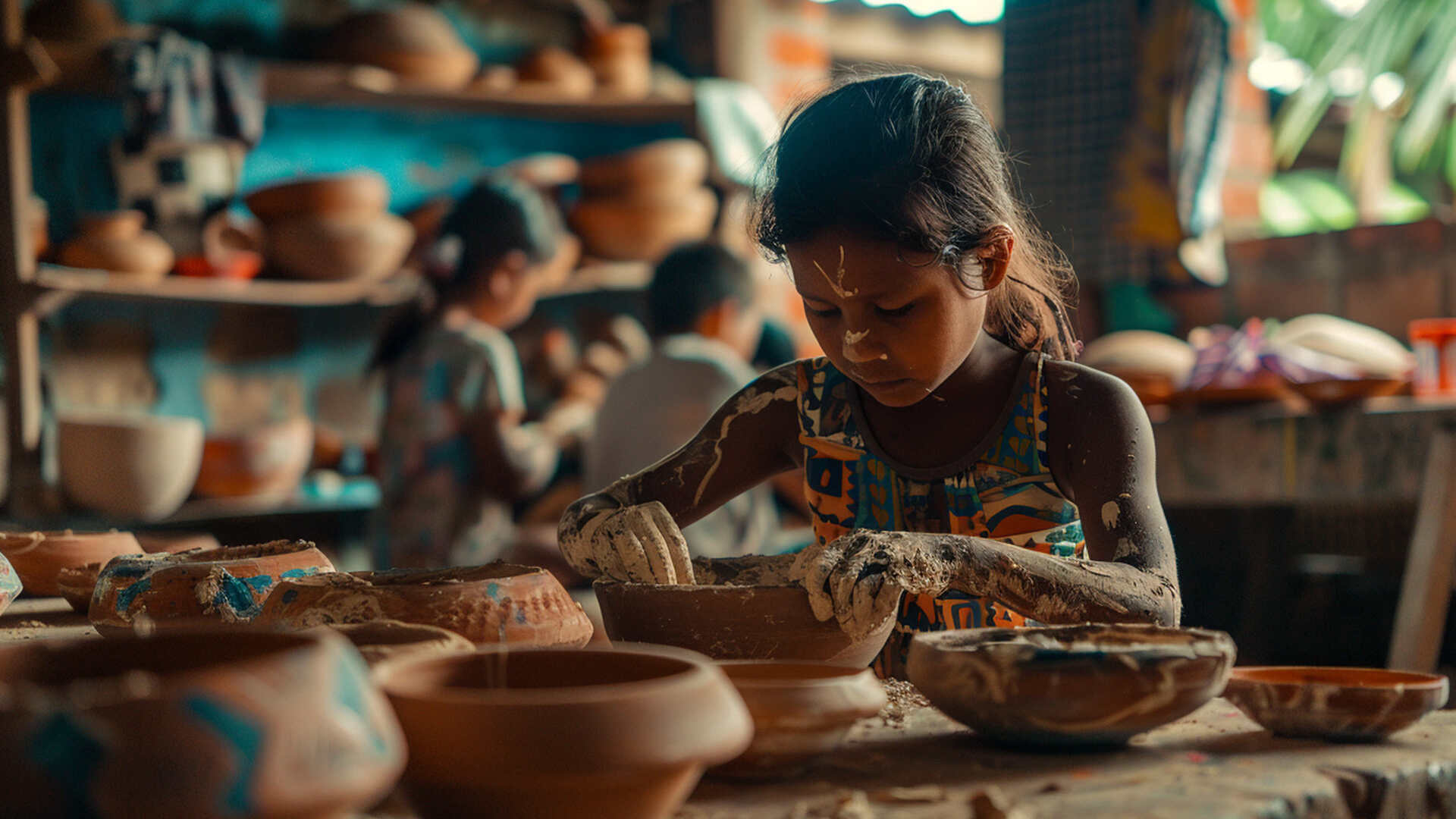
Artisan Maps: How Rural Rwandan Crafts Journey from Village Hands to City Shelves & Overseas

Kruti Verma
Date: Oct. 27, 2025
In Rwanda, thousands of artisans in rural areas make crafts every day. Some are women weaving Agaseke baskets, some young people making jewelry or ceramics. These artisans often start small — selling in nearby markets or to tourists. But over time, some succeed in scaling up: whose items end up in urban galleries, export shops, even overseas. Let’s map those artisan‑to‑market paths, look at the stories, the chain of steps, the difficulties, and what could help more artisans succeed.
Who the Makers Are & What They Make
Before the journey, it helps to meet the makers — the people, the places, and the crafts.
- Agaseke baskets are among the most recognized crafts. Made of native grasses or fibers, often naturally dyed, woven by women in many rural areas. They are used for storage, gifts, peace‑symbol, decoration. They carry history.
- Bead jewelry, wooden carvings, metal ornaments, textiles, ceramics are also made in villages, small workshops, cooperatives. For example, cooperatives produce bags, home decor, woodwork. Some artisans source raw materials locally (grass, wood, fibers, beads) or combine imported beads.
- There are artisan cooperatives, often women’s groups, or mixed groups, which combine skills, share tools, sometimes work with small middle persons or NGOs to get training or support. Azizi Life, Gahaya Links are examples.
Mapping the Path: The Steps from Rural Artisan to Urban Buyer or Global Market
Here is a rough map of how artisan‑made crafts travel from the rural artisan to city gallery or overseas buyer. Of course, not every artisan follows every step, but many paths share similar stages.
- Craft Creation: Artisans create items at home or small workshops. They source raw materials (grass, wood, fibers, beads, dyes). They design, weave, carve, assemble.
Key Actors: Makers, local elders (for design/patterns), cooperatives, family members.
Challenges & What Helps: Raw materials may be costly or far. Skills, tools may be basic. Quality may vary. Good training, reliable supply, shared tools, cooperative buying power help.
- Local Sale / Nearby Markets: Makers sell locally: village markets, small shops, craft stalls near tourist sites, or to neighbors. Sometimes small fairs.
Key Actors: Artisans, market intermediaries, local traders, tourists.
Challenges & What Helps: Limited customers, low prices, inconsistent demand. Visibility, product display, local buyer trust help.
- Cooperatives or Artisan Groups: Many artisans join cooperatives: they can share costs, get better materials, learn new designs, access training, pool output.
Key Actors: Cooperatives, NGOs, social enterprises.
Challenges & What Helps: Organization, management, capacity, funds. Good leadership, consistent quality, NGO/government support, standards help.
- Urban Retail or Galleries: Crafts are sold in city boutiques, craft galleries, shops in Kigali. Some cooperatives or artisans open shops or consignment deals.
Key Actors: Boutique owners, galleries like Inema Art Center, Caplaki Craft Market, artisans, curators.
Challenges & What Helps: Higher quality expectations, design trends, pricing, branding. Product finishing, packaging, design adaptation, marketing, storytelling help.
- National Expos, Fairs, Tourism Sites: Participation in events, craft fairs, tourism sites helps exposure. Customers include tourists, diaspora, travelers.
Key Actors: Artisan groups, tourism centers, cultural villages (like Iby’iwacu, Red Rocks), government events.
Challenges & What Helps: Costs of transport, stall fees, competition. Subsidies, group representation, shared stalls, promoting crafts tourism help.
- Export / International Buyers: Some crafts are exported: baskets, jewelry, textiles. This means meeting export standards, delivery, packaging, dealing with customs.
Key Actors: Export companies, cooperatives, trade agencies, buyers overseas, online platforms.
Challenges & What Helps: Shipping cost, standards, consistent supply, quality, design appeal. Export support, fair-trade/ethical buyers, online presence help.
Real Stories: Makers Who Made the Journey
- David Mugisha, Musanze crafts maker: Started making jewelry for friends, expanded to bags and postcards. Set up a stall at Red Rocks, sold to tourists, improved quality, now earns modest profit. Challenges: raw materials, tools, finishing expectations.
- Gahaya Links (Janet Nkubana & Joy Ndungutse): Founded after the genocide, employing women weavers. Built a network, trained artisans, worked on design and quality for international buyers. Showed rural craft can scale.
- Red Rocks artisans in Musanze: Initiative helps artisans learn skills, improve designs, build market linkages. Artisan Dativa weaves baskets, seeks deeper markets. Training improved her craft, pricing, confidence.
Key Barriers in the Supply‑Chain
- Inconsistent supply of raw materials or high cost.
- Lack of access to tools, machinery, finishing equipment.
- Design & trends, quality control.
- Market access & visibility.
- Logistics and transport.
- Financing & capital.
- Branding, storytelling, online presence.
- Regulation, export challenges.
What Helps: Enablers & Good Practices
- Cooperatives & Social Enterprises: Share costs, training, scale, consistent supply.
- Government Policies & Export Directories: “Made in Rwanda” promotes local crafts, helps export.
- Training & Capacity Building: Design, finishing, packaging, business skills.
- Linking to Tourism & Local Urban Markets: Markets and cultural sites attract tourists.
- Online & E‑Commerce Platforms: Show and sell products beyond local area.
- Fair‑Trade & Ethical Branding: Ethically made, fair labor, culturally respectful design fetches better prices.
- Partnerships & Networks: NGOs, tourism centers, export agencies help connect artisans to markets.
Mapping a Path Forward
- More local aggregation points & regional hubs.
- Improved access to tools & small-scale finishing equipment.
- Design support & trend awareness.
- Better packaging & presentation.
- Financing options tailored to makers.
- Stronger market information & connections.
- Strengthened export pathways.
- Promoting “Made in Rwanda” stories.
What More Urban Galleries & Global Buyers Can Do
- Fair pay & fair orders.
- Support training & collaboration.
- Buy directly from rural makers or cooperatives.
- Maintain quality feedback loops.
- Honor cultural authenticity.
What the Data Tells: Scale & Trends
- Rwanda has 420 crafts associations with over 7,000 organized craftsmen-members.
- Handcraft & fashion export directory lists many firms exporting internationally.
- Some artisans report net profits of several hundred thousand Rwandan francs per month when visibility is good.
- Cooperatives like Craft Adventure Village Cooperative help produce and sell crafts but need better machines/space.
Why This Mapping Matters for Rwanda & for You
- Jobs & rural livelihoods: Reliable markets allow artisans to earn income, support families.
- Cultural preservation: Crafts carry tradition, methods, patterns passed down.
- Tourism & national identity: Authentic crafts increase Rwanda’s appeal as a cultural destination.
- Exports & economic diversification: Crafts can help Rwanda diversify exports.
- Empowerment & pride: Artisans gain confidence seeing work valued locally and globally.
- Neighborhood & community ripple effects: Materials sourcing, training, packaging create local demand.
Charting the Map Forward
The path from rural artisan to urban gallery or global buyer is winding but possible. Rwanda has sparks of success: cooperatives, makers like Gahaya Links, marketplaces, online platforms, boutiques in Kigali, cultural hubs.
If you are a maker: tell your story, seek cooperatives, learn about buyer demands, strive for finishing, consider online platforms.
If you are a buyer or gallery owner: look for artisans, visit rural workshops, pay fairly, help with design feedback, share their stories.
If you are a policy maker or supporter: help artisans with machines, raw materials, workspace, export help, credit or grants.
When more crafts follow the full path well, more makers succeed, more culture is preserved, more value stays in Rwanda, more people are proud of what their hands do — from hills to galleries to homes across the world.