Date: Aug. 4, 2025
In the heart of East Africa, Rwanda is not only rising as a clean, peaceful, and fast-developing country, but also as a creative hub where art becomes a voice for the people. From murals in Kigali to spoken word poetry and sculpture work in villages, Rwandan artists are using their talents to heal wounds, raise awareness, and create change.
This is not just about painting or music—it’s about expression, identity, healing, and hope. Let’s dive into the colourful and courageous world of Rwandan art for social transformation—where brushstrokes speak louder than words, and every canvas tells a story.
Rwanda’s history is both painful and powerful. After the 1994 Genocide Against the Tutsi, the country made a remarkable journey of healing, unity, and growth. But for many Rwandans, the emotional scars are deep, and talking about trauma is not always easy.
This is where art comes in. Art gives people a safe space to feel, remember, express, and recover. Whether it’s a painting about forgiveness or a dance that tells the story of loss and strength, Rwandan artists are using their creativity to address social issues like trauma, gender inequality, youth unemployment, and mental health.
Walk through Kigali’s Nyamirambo neighbourhood, and you’ll notice walls bursting with colour. These are not just decorations—they’re powerful messages painted by local artists and art collectives.
For example, the Kurema, Kureba, Kwiga initiative (“To Create, To See, To Learn”) focuses on street art with a purpose. Their bold, bright murals tackle issues like HIV awareness, peacebuilding, women empowerment, and environmental care.
One mural might show a young girl dreaming of becoming a pilot, while another may feature hands holding each other to represent unity. These public artworks bring messages of hope to communities that may not have access to galleries.
Many Rwandan artists use painting, sculpture, or photography to speak about grief, hope, and identity. For instance, Epa Binamungu, a renowned painter, uses symbolism to address post-genocide healing. His art often shows faces without mouths to reflect voicelessness or crowds standing together to symbolise unity.
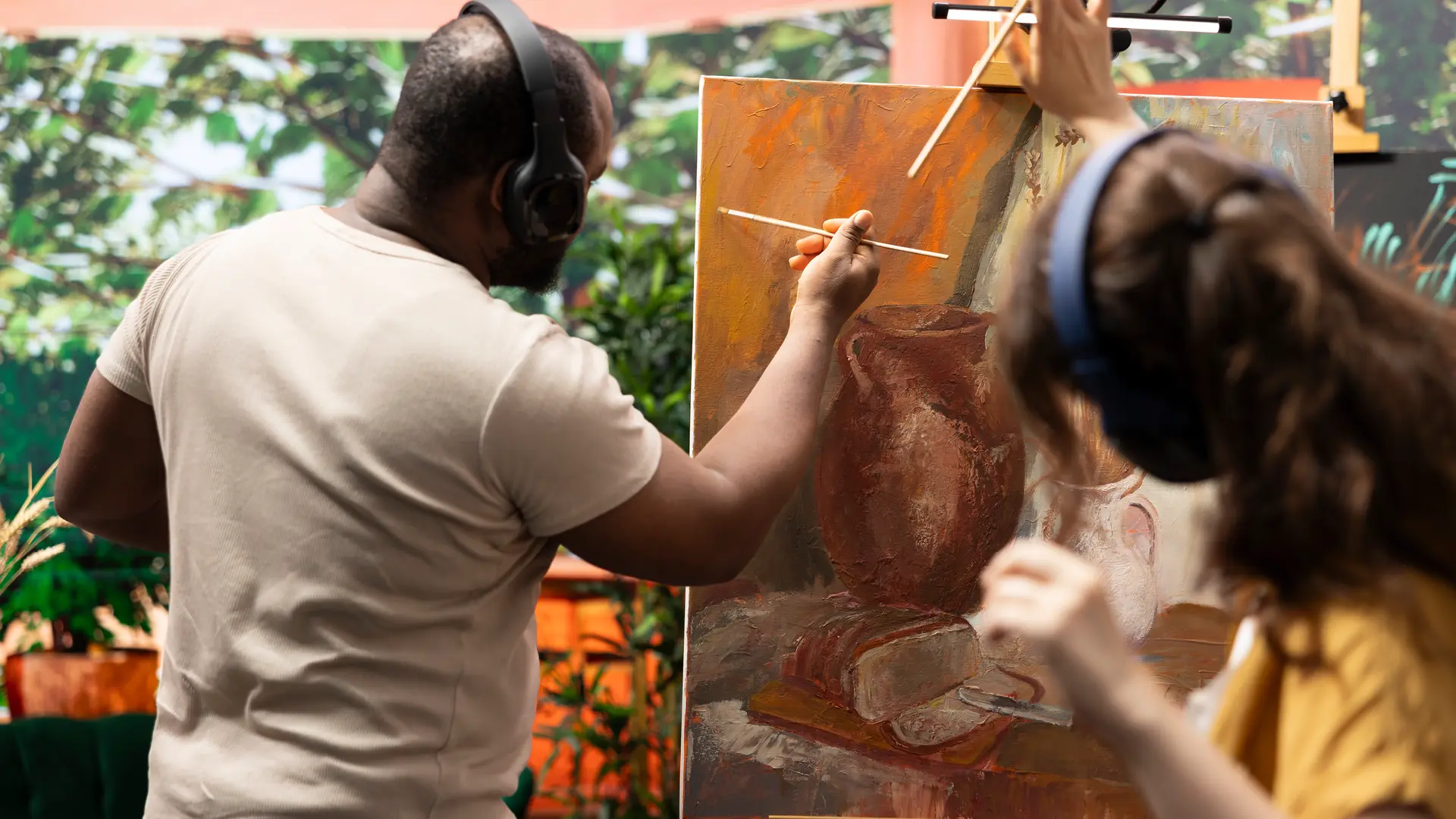
Art therapy is also becoming common, helping survivors, youth, and vulnerable groups. By creating something with their hands, people find strength, calmness, and connection. In Rwanda, art doesn’t need to be explained—it is felt.
You don’t need paint to create change. Spoken word poetry is growing rapidly in Rwanda, giving young people a platform to express themselves. Groups like Spoken Word Rwanda host events where poets perform pieces about depression, domestic violence, love, and resilience.
Their words are raw, real, and relatable, opening conversations about issues often kept in silence.
In the past, art in Rwanda was mostly dominated by men. Today, women artists are rising strong—fearlessly challenging norms and shaping change. From painters to dancers, photographers to playwrights, women are leaving their mark.
For example, Hope Azeda, founder of Mashirika Performing Arts, uses theatre to teach reconciliation and healing. Her plays have reached both local and international audiences, connecting hearts across borders.
Mental health remains a sensitive topic in Rwanda, but art is helping break the silence. Through workshops that mix drawing, storytelling, and painting, participants express emotions that words can’t capture. For many youth, these sessions bring comfort and connection, proving that a simple sketch can speak volumes.
From traditional drumming to Afrobeat, music is everywhere in Rwanda. But many musicians go beyond entertainment, using songs to spread awareness about peace, women’s rights, HIV, and environmental care.
Artists like Tom Close and Miss Jojo have inspired thousands through music that combines rhythm with responsibility.
Kigali is becoming a vibrant hub for creativity. Spaces such as:
These places are more than galleries—they are learning and community centres that host exhibitions, run youth programs, and provide safe spaces for artists to thrive.
Many Rwandan artists are combining creativity with entrepreneurship, building careers while empowering communities. Social enterprises like:
help artists sell their work, train youth, and promote fair trade. These ventures turn art into opportunity.
Art in Rwanda is more than creativity—it’s community. More than talent—it’s truth. More than beauty—it’s bold action.
As Rwanda continues to grow, its artists ensure that every voice is heard and every dream supported. In Rwanda, art is not just art—it is transformation.
